
The Four Pillars of Wellness for Older Adults
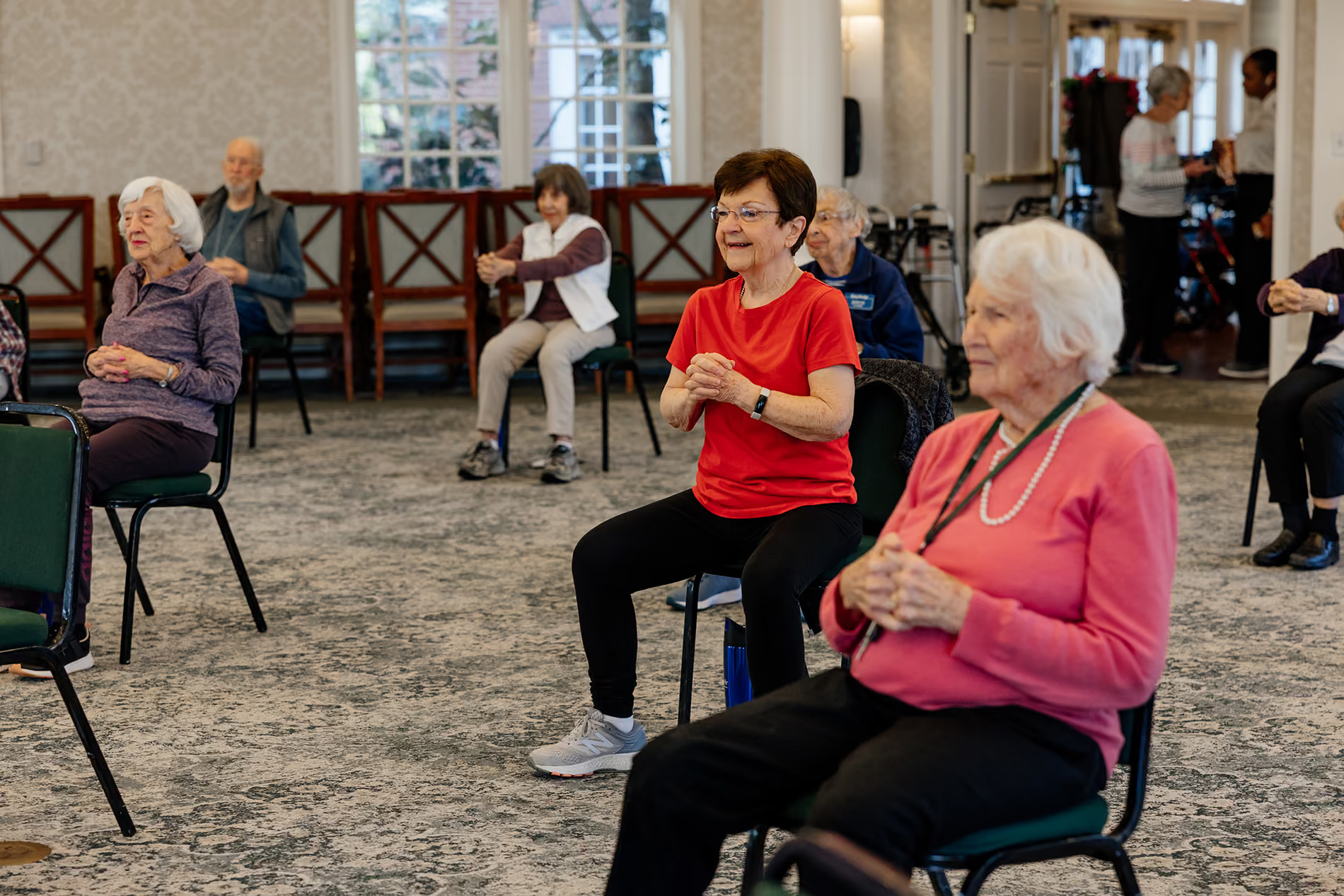
Wellness in later life rarely comes down to one habit or one type of exercise. The research is consistent: older adults do best when several dimensions of well-being are supported at once. Physical health, social connection, creative and intellectual engagement, and spiritual life all play meaningful roles, and they tend to reinforce one another. None of them require dramatic changes to make a difference. Small, steady habits across these four pillars are what move the needle most over time.
Physical Wellness: Movement, Nutrition, and Rest
The most important thing to know about exercise in later life is that any movement counts. The CDC's physical activity guidelines for adults 65 and older offer a useful target: 150 minutes of moderate-intensity activity per week. That target translates to about 30 minutes a day, five days a week, and it is meant as a goal to work toward rather than a pass/fail line. Walking, gardening, household tasks, and recreational sport all add up, and the health benefits start as soon as you start. Lower fall risk, better cognitive function, better sleep, and more years of independent living all accrue across the full range of activity levels.
Physical wellness extends past exercise. Older adults tend to need fewer calories than they did in midlife, but protein, hydration, and meals built around vegetables, lean proteins, and whole grains all support energy and long-term health. Sleep plays a quieter role and is easy to overlook, but consistent rest is what makes the rest of the picture possible.
At King'sBridge, this pillar is supported across the campus. An on-site fitness center, group classes (yoga, tai chi, balance training, water aerobics), and outdoor walking paths make movement easy to fit into a day. Restaurant-style dining with seasonal menus and accommodation for dietary needs takes the daily friction out of eating well, and community life is built around the kind of daily activity (walking the campus, gathering with neighbors, getting from one program to the next) that keeps movement woven into the day.
Social Wellness: Connection as a Health Factor
Loneliness and social isolation carry real, measurable health consequences for older adults, including higher risks of cognitive decline, heart disease, and depression. Social connection is not a nice-to-have. It is a wellness pillar in its own right, and one of the most studied.
Community living makes the biggest practical difference here. Daily life at King'sBridge is built around opportunities to connect: shared meals, group fitness, volunteer projects, clubs, and informal gatherings across campus. None of it is required, and residents who prefer quieter days have that option, too. What community living offers is easy, low-pressure access to other people, which keeps social engagement steady year over year.
Creative and Mental Wellness: Keeping the Mind Active
Cognitive health benefits from regular stimulation in much the same way muscles do. Reading, learning new skills, working puzzles, playing cards, making art, and engaging in meaningful conversation all help maintain mental sharpness. Research on cognitive reserve points consistently to lifelong learning and creative expression as protective against decline.
King'sBridge weaves this in across the week. Book discussions, brain aerobics classes, lectures, art and craft activities, and trivia nights all give residents room to keep the mind active and the creative side engaged. The point is not to fill every hour. It is to make engagement easy to choose when residents want it.
Spiritual Wellness: Meaning, Practice, and Reflection
Spiritual wellness looks different for everyone. For some, it is rooted in faith and regular worship. For others, it is meditation, time outdoors, or quiet practices that give the day a sense of meaning. Research consistently shows that older adults who attend to this dimension report higher levels of life satisfaction and resilience.
As a faith-based community, King'sBridge supports this pillar directly. An on-staff Chaplain, regular Bible studies, and worship services are available to residents who want them. The campus also offers quiet outdoor spaces, including courtyards with water features, walking paths, and garden areas, for those who find peace in solitude or in nature.
How the Pillars Work Together
The four pillars are easier to maintain because they overlap. A morning fitness class is also a social activity. A shared meal is nutrition and connection. A book discussion is mental engagement and friendship. A walk through the campus gardens can be physical, spiritual, and quietly social all at once. Wellness later in life works best when these overlaps are built into the day rather than scheduled into it, and community living tends to do exactly that.
Wellness, Built Into Daily Life
Wellness later in life is less about any single habit and more about the daily structure that supports several at once. King'sBridge has been doing this for forty years from a campus in Northeast Atlanta, where a whole-person approach to wellness shapes everything from the dining room to the chapel. As a not-for-profit, faith-based community offering independent living, assisted living, and memory care, King'sBridge is built for residents to age in place with care, connection, and meaning at every stage. To learn more about life on campus, get in touch.